For most of us, when we think about applying for a grant, our minds immediately go to writing. We focus our energy and attention on writing a strong grant narrative. Grant budgets often get swept to the side – something to pass off to your finance person or think about during the 11th hour when the submission deadline is looming.
Don’t do that. Truth is, your budget tells a story, too. And a weak budget alongside a strong narrative can be a red flag for a funder. Plus, rushing through the budget is a missed opportunity to ensure inter-departmental alignment that will make implementing and reporting on the grant much easier.
With that in mind, here’s a guide for how to prepare your next grant budget.
First Big Question: Who Should Be at the Table?
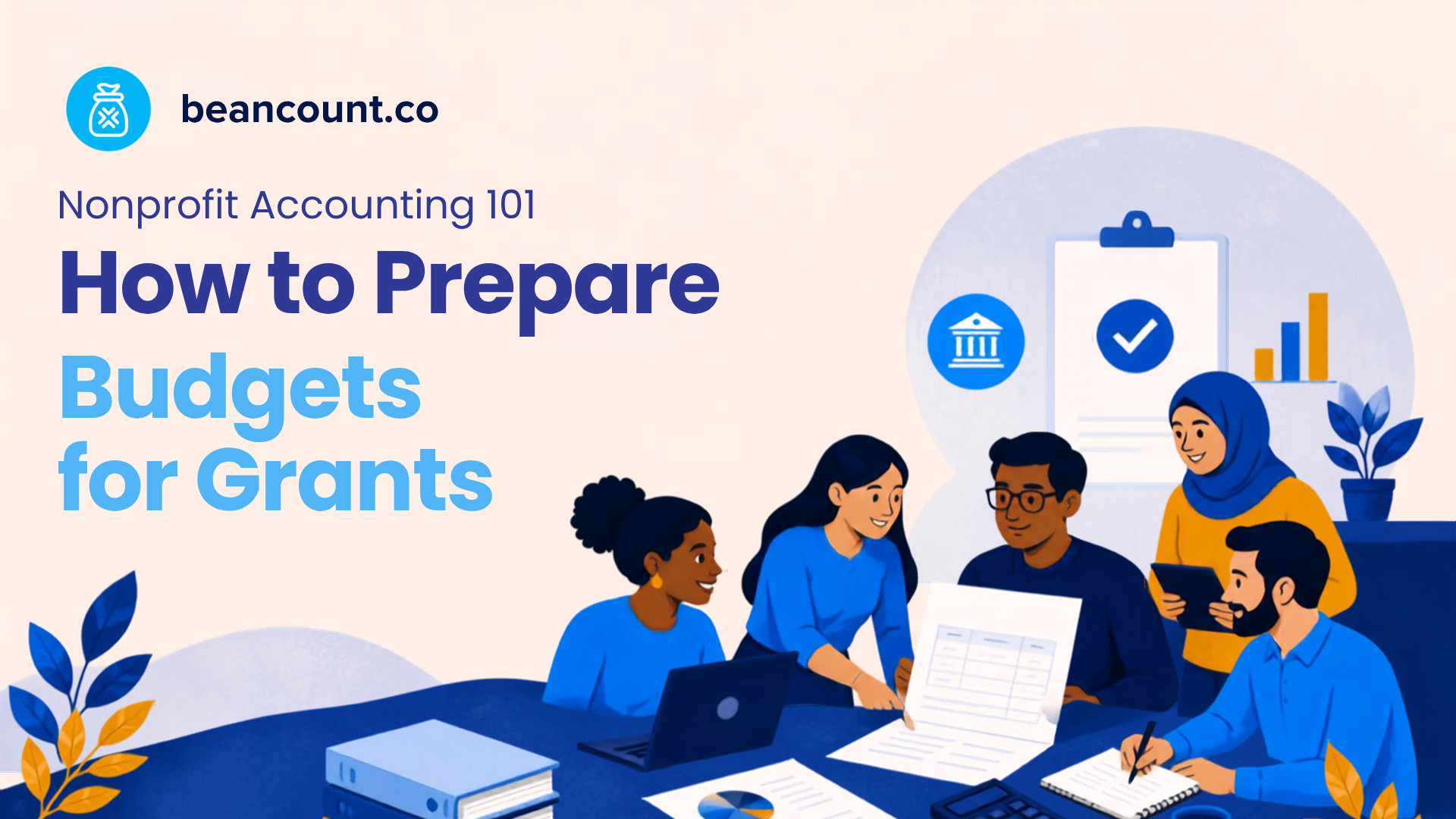
Grant budgets are an important place for your fundraising/grantwriting staff, finance staff, and program staff to collaborate. At a very small organization, this might just be the same person (perhaps, you?) but at medium and large organizations, these departments tend to be quite siloed. In fact, grant budgets are often one of the only opportunities for teammates from these different departments to work together. And it’s essential that they do.
Make sure this collaboration is meaningful. Sending out a request over email to the finance director to prepare the budget with the program director cc’d in doesn’t constitute meaningful collaboration. Sure, everyone’s busy, but this is important, so set aside a time for everyone to meet and focus on the budget. Working together during the application process, and building a shared sense of ownership over the budget in particular, will help prevent misunderstandings and friction when it comes time to implement, and report on the grant.
This will also give your team an opportunity to get on the same page about what percentage of current staff time each team member will spend on the grant, if awarded. There’s nothing worse for a program staff member than a surprise grant award they didn’t know about suddenly demanding time that they don’t have to give. It’s best to be prepared, and have a realistic plan for how the grant will be implemented, if awarded.
Next Big Question: How Much Should We Ask for?
Most Requests for Proposals (RFPs) or Invitations to Apply will specify a range. And some organizations are inclined to request the very highest end of the range. That’s not necessarily the most strategic move. Funders usually see through your attempts to manipulate your program numbers to reach the high end of their range. Our advice: Ask for the true costs of the program, and determine your ask amount after you’ve crunched the numbers and have a draft budget prepared. So let’s get into the process of preparing your budget.
Tip: If the range on the RFP is very large, look at the funder’s Form 990 (publicly available on the IRS Tax Exempt Organization search tool, Candid, and similar services) to see a list of past grants and their amounts. This can take out some of the guesswork and so you can set a more realistic target.
Know the Requirements Like the Back of Your Hand
Before meeting, assign one person (often the grantwriter, but perhaps the finance person or another staff member, based on your internal operations, and everyone’s unique strengths) to read through and thoroughly understand the budget requirements for this specific grant application. If you’ve created one budget for a grant application before, you’ve created one budget for a grant application. Every funder is different and every funder has different expectations for what the budget should look like (perhaps irritatingly so!).
Some just want to see the organizational and program budgets you’ve already prepared through your annual budgeting process. Others will want to see exactly how their grant will fit into your operating budget. Some will provide and/or require a special template for the grant budget. These can be either helpful or unhelpful, depending on their template and how it plays with the structure of your organization’s budget.
Some funders refuse to fund specific line items, even if they reflect the true cost of running the program. (Things like travel, food, and operating expenses are often on the chopping block). Some funders ask for a budget narrative, while others don’t. Our advice: write a budget narrative, even if it’s not required! Government grants, whether they be federal, state, or local, often have very specific budget requirements. Review them thoroughly.
If you have the opportunity to meet with the funder before submitting the grant, bring your questions around budget expectations. That will help take some of the guesswork out.
Preparing Your Organizational Budget for a Grant
The majority of RFPs will request both an organizational budget and a grant budget. The good news? Your organizational budget is likely already done. If you’ve done a good job with your organizational budget, in many cases, you can submit it as is. (Read more on creating an effective organizational budget here.) This just adds to the case to review your organizational budget early and often, to make sure it accurately and effectively reflects your organization’s work and true costs.
Preparing Grant or Project-Specific Budgets
This is where most of the legwork will be. Whether you’re using a template provided by the funder or coming up with a budget from scratch, you’ll want to be thoughtful and collaborative at this step. The grant or project-specific budget should align with your organizational budget–remember, you’re trying to get the budget you already have in place funded to guarantee your organization can operate this year. So start there. However, a grant budget can also be a place for some flexibility to account for unexpected costs.
Another consideration is that grant periods don’t always align with your fiscal year, so make sure to account for that. If the grant will be stratified over multiple fiscal years, reflect that in your grant or project-specific budget.
As with all budgets, show your income and expenses. The difference here is that you will also want to show what the grant you are requesting will cover, in comparison to what is already covered by other funding sources, and what you still need to fundraise for. Some funders like to see that they are co-investing with other funders. This is where you can demonstrate that others see the project as worthy of support.
Be thoughtful about line items. Avoid cutting corners when possible: show the true costs of the program, especially the amount of staff time it will truly take to implement it. Be creative about including line items that are “unsexy” or “hard to fund.” You can explain why they’re essential to the program in the budget narrative.
The Key Ingredient that Pulls It All Together: The Budget Narrative
A strong budget narrative is absolutely essential to a strong budget. Like “Schedule O” on your 990 (more on that here), it is the space where you get to take control of the story your numbers tell and link it back to the intent of the project and its potential for impact. Anything that isn’t obvious from your budget should be explained in the budget narrative. This can include:
- Explaining surpluses or deficits on your organizational or program budgets.
- Justifying overhead costs as essential to the functioning of the program.
- Explaining any atypical cost structures specific to your subsector or programmatic focus
- Explaining and/or justifying ambiguous line items.
After the Grant is Awarded
Hopefully, the funder appreciated your hard work on the budget (and the rest of the grant application, we suppose) and you’re awarded the grant. Here’s when many organizations forget about internal communication. Make sure the finance department and program team know exactly what’s in the budget – what needs to be attributed to the grant in your accounting software and what they have to spend on their program. Track and reconcile grant expenses meticulously (like you do for all expenses). Odds are you will have to provide detailed reporting in six months to a year.
A Little Help from Your Friends (at Beancount)
If you’re new to writing grant budgets (or if they’ve been an ongoing headache for your organization) and are looking for perspective and guidance, Beancount can help! We provide consultations and support with grant budgets (and your finances in general). Get in touch with us here to discuss your unique situation.
Resources and More
This blog post was written with the assistance of the following materials:
- Blue Avocado: The Art of Grant Budgeting: A Guide for Nonprofit CFOs
- Click Time: Nonprofit grant writing tips: How to write a grant budget that wins funding
This article is for general informational purposes only and does not constitute professional accounting, tax, or legal advice. Tax laws, regulations, and accounting standards change frequently, and the application of rules can vary based on your organization’s specific facts and circumstances. Before acting on anything you read here, consult a qualified professional who can advise you based on your situation.