The nonprofits Beancount works with have diverse structures and funding sources. Some rely on grants and contracts, while others are funded primarily through individual contributions. One of the most complicated business models a nonprofit can have is a social enterprise. Luckily, Beancount has vast experience with social enterprises–Beancount’s founder, Sakar Pudasaini, founded and directed one for the better part of a decade.
What Is a Social Enterprise?
“Social Enterprise” is an umbrella term that refers to mission-driven organizations that use for-profit mechanisms to generate revenue. This usually means selling a good or a service, as opposed to fundraising. The revenue is then used to sustain operations, and the profit is either invested back in the mission or distributed to the business’s owners or shareholders (or both).
Social enterprises come in many structures, from a traditional nonprofit with a small amount of program income, to a hybrid organization with independently operating nonprofit and for-profit arms, to a B-Corp. Because there are so many options, one of the most challenging parts of creating a social enterprise is selecting the right model for your mission and market.
Jessica’s Story: Happy Day Plants
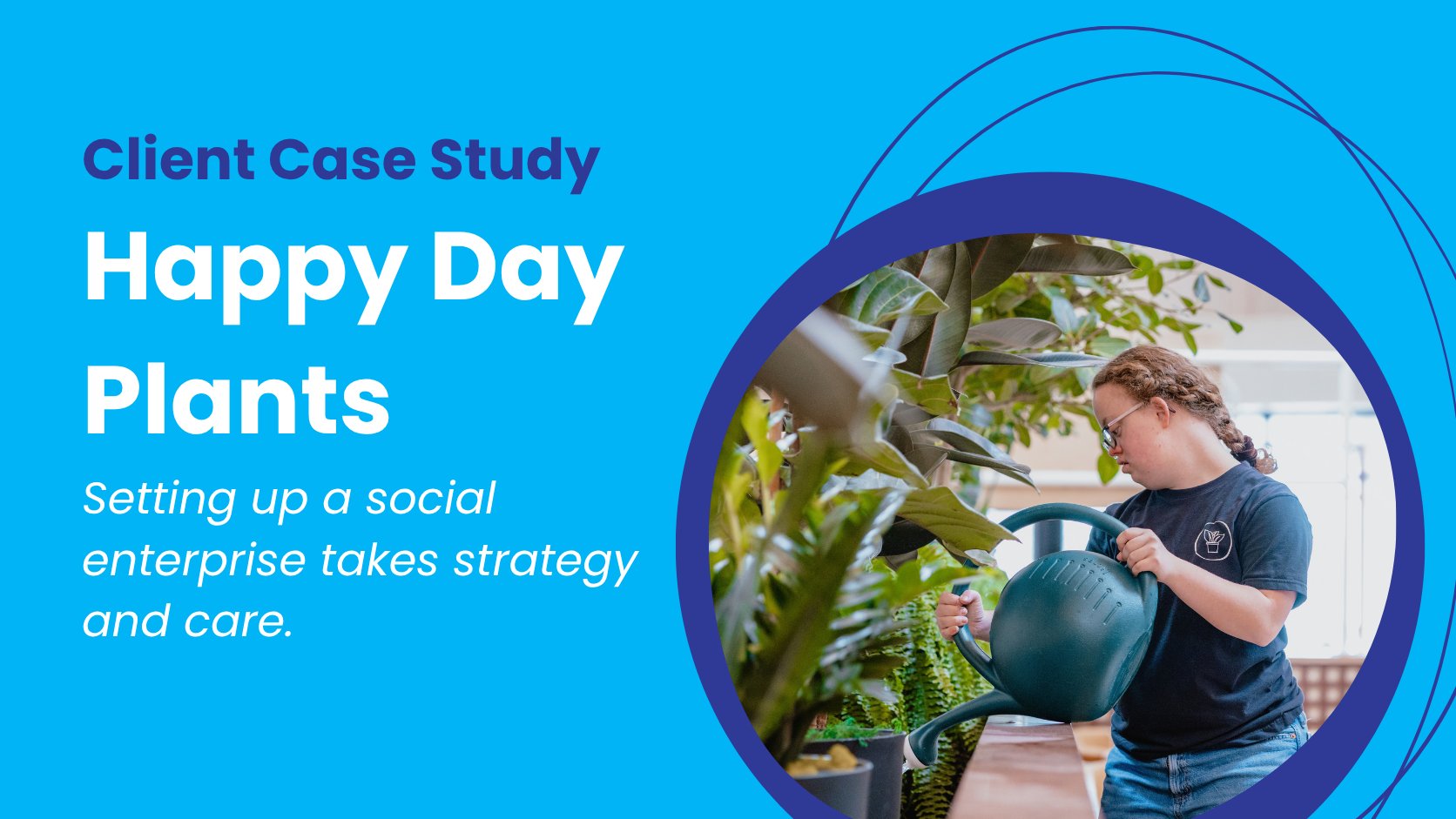
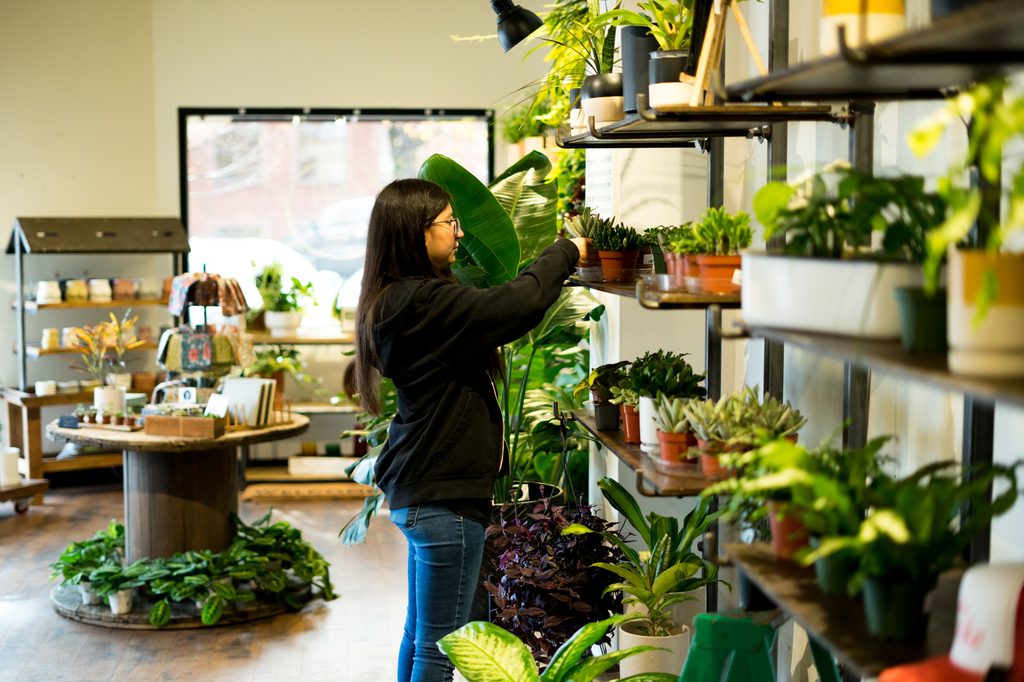
Jessica Birmingham faced such a challenge when she founded Happy Day Plants. Happy Day Plants is the culmination of owner Jessica’s lifelong passions: nature, plants, and disability advocacy.
For years, Jessica nurtured a wide variety of houseplants, all while dreaming of opening her own plant shop. The turning point came when her eldest daughter, who has Down Syndrome, graduated from high school. The Birmingham family soon discovered the scarcity of employment opportunities for young adults like her. Jessica’s enduring love for plants, combined with her desire to empower individuals with special needs, inspired her to open a retail storefront on November 6, 2021, on Main Street in Downtown Longmont.
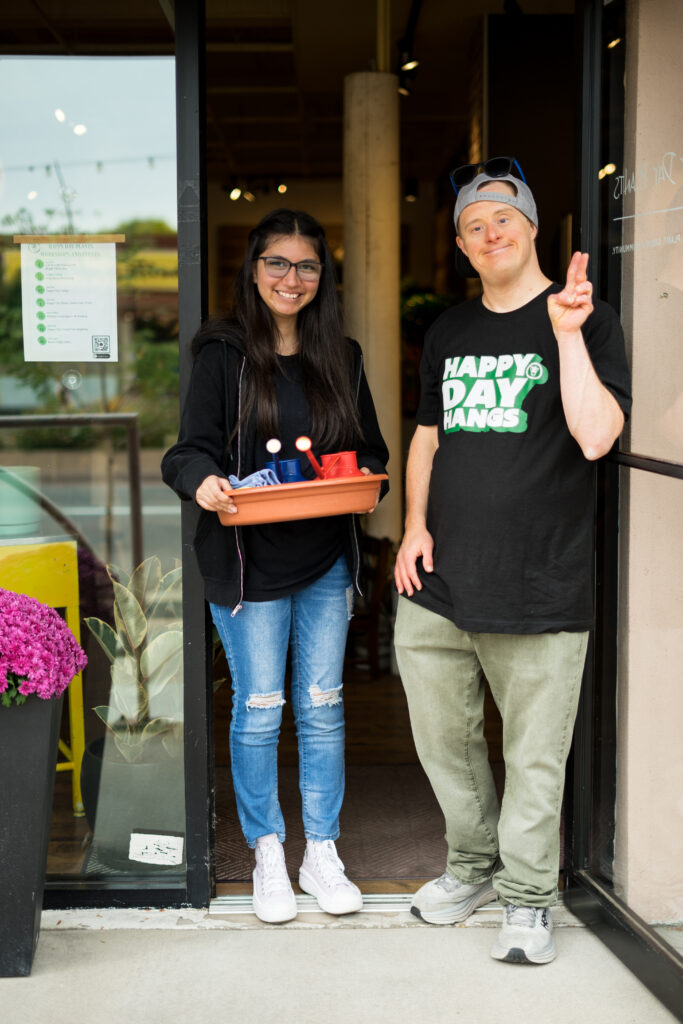
Happy Day Plants provides meaningful employment to adults with disabilities. While it started as a retail shop, it applied for and was granted 501(c)3 nonprofit status in 2024. That allowed it to expand its offerings to include “Happy Day Hangs, ”events for individuals with disabilities to build community, and “Learn to Grow,” an in-school nature program.
Happy Day Plants still offers all the services you would expect from a plant shop at market rates, the store itself, indoor plantscaping, field trips, consultations etc. The profits from these activities get reinvested into the mission.
A Compliance Challenge: Ensuring the Entities Stay Separate
Happy Day Plants now has a challenge that many social enterprises face: Keeping their nonprofit entity separate from their for-profit entity. Tight bookkeeping and compliance is essential for cases like Happy Day Plants. Beancount has been lucky to work with Jessica and Happy Day Plants on their bookkeeping and 990 filings for the past several years.
Before Beancount came onboard, Jessica had already structured Happy Day Plants as both a 501(c)3 and a Limited Liability Company (LLC). Beancount’s job was to make sure these entities’ finances stayed separate, to avoid conflicts of interest and questions from the IRS. Beancount did just that, advising Jessica on how to separate her finances and preparing the documentation for Jessica to show that her LLC was not benefitting from her nonprofit. This is especially important if you own a business AND serve as a board member on its partner 501(c)3.
Both entities needed their distinct books, and because of the differences in business structure, their books do look different. However, it was also important to have a way to look at the two entities’ finances together periodically to see the full strategic picture of the social enterprise, paving the way for strategic conversations.
That way, Happy Day stays protected and compliant, while carrying out its mission.
Learn More and Get Involved
Happy Day Plants is brightening the Longmont community. Visit their website to learn more and support their mission. And, if you’re in Longmont, Colorado, stop by Main Street to pick up a houseplant!
This article is for general informational purposes only and does not constitute professional accounting, tax, or legal advice. Tax laws, regulations, and accounting standards change frequently, and the application of rules can vary based on your organization’s specific facts and circumstances. Before acting on anything you read here, consult a qualified professional who can advise you based on your situation.